Your inbox is overflowing.
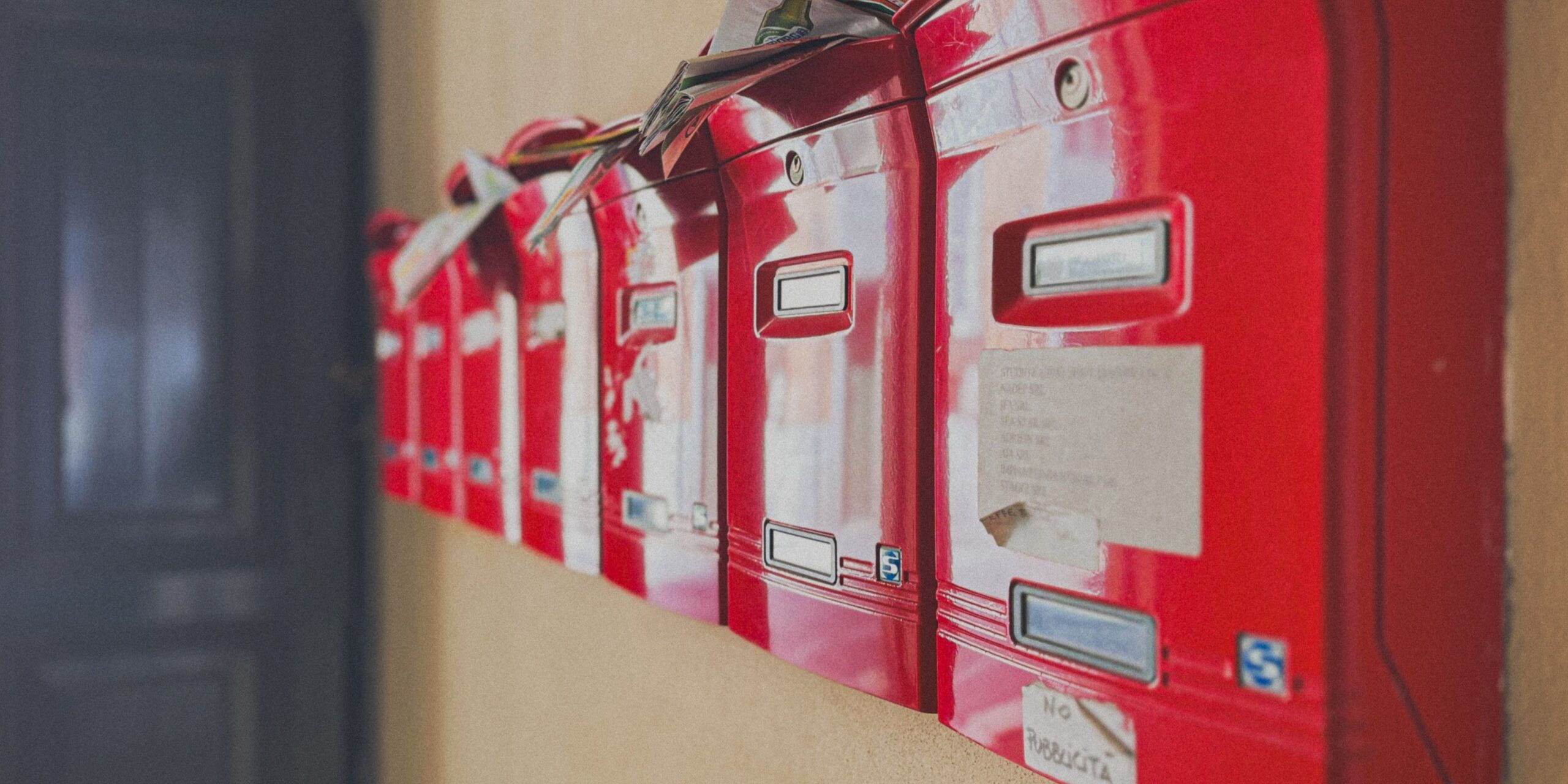
Your mailbox? Mostly crickets. Marketing mail volume dropped 40% between 2008 and 2023, from 99 billion pieces to 59 billion.
That gap is a quiet competitive advantage.
At a mastermind, a brick-and-mortar retailer shared how simple postcards kept pulling in new customers. An e-commerce owner borrowed the idea—and unlocked a fresh channel. (Direct mail isn’t “dead”; it’s just underused.)
Why it works now—and how to use it fast:
You choose exactly who gets your message (down to the household), so wasted impressions plummet.
Optimize for a “raise-your-hand” response, not a giant first purchase. Lead with a free gift, free-plus-shipping, or buy-one-get-one (BOGO) to start the relationship.
Tactile pieces stand out. Postcards and letters still perform, and dimensional “lumpy” mailers practically demand to be opened (even a plain FedEx envelope does the job).
Verification isn’t hard: brands from Capital One (credit offers) to Amazon (holiday catalogs) still mail because it drives action you can track.
Direct mail multiplies other channels: every response moves to assets you own (email/SMS) for follow-up and conversion.
Your 30-day jumpstart:
- Build the list. Profile your best buyers (demographics + psychographics), then have a reputable list broker find more like them.
- Craft the “first step” offer. Make the next action effortless and obvious; measure responses, not revenue.
- Pick the piece. Start with a postcard or letter; if your deal size supports it, test a small batch of “lumpy” mail.
- Track and decide. Define one success metric, assign a single owner, run the test for 30 days—then scale, fix, or stop.
🧠 Key Takeaway
If acquisition has stalled, stop shouting into crowded inboxes and put a smart offer into the mailbox. Which segment would you mail first, and what “raise-your-hand” offer will you test?
For the deeper play-by-play, it’s in Your Business Growth Playbook.